Verlenging van de levensduur van slijpwielen: een uitgebreide gids voor industriële kopers
Voor fabrikanten en bewerkingswerkplaatsen over de hele wereld vormen slijpwielen een essentieel verbruiksmateriaal dat rechtstreeks van invloed is op de productie-efficiëntie, de kwaliteit van de oppervlakteafwerking en de bedrijfskosten.Het begrijpen van de belangrijkste factoren die van invloed zijn op de levensduur van de slijpwiel kan leiden tot aanzienlijke kostenbesparingen en een betere kwaliteit van de outputIn dit artikel worden vier essentiële aspecten besproken die elke inkoopmanager en productie-ingenieur moet overwegen bij het werken met slijpwielen.
1De kwaliteit van het product staat voorop
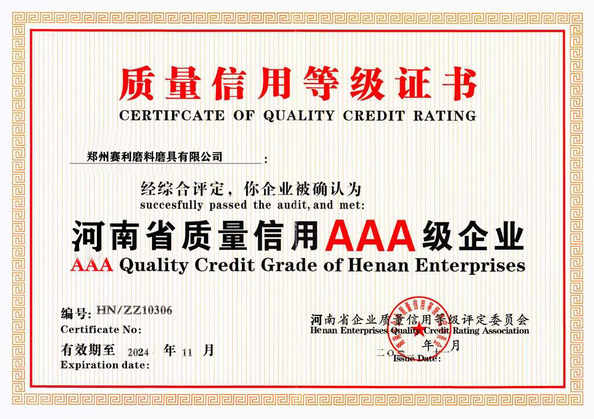
Slechte slijpwielen lijden onder versnelde slijtage en een drastisch kortere levensduur.Slechte bindmiddelen en onregelmatige slijpkorrelverdeling veroorzaken vroegtijdige afbraak van het wielDe keuze voor hoogwaardige slijpwielen van gerenommeerde fabrikanten zorgt voor een consistente korrelstructuur.superieure bindsterkteHoewel premium wielen een hogere aanloopkosten kunnen hebben, is het niet zo dat de verdeling van de hardheid van de wielen in de eerste plaats in de tweede helft van het jaar is veranderd.de verlengde levensduur en de verbeterde slijpprestaties zorgen in de loop van de tijd voor aanzienlijk lagere totale eigendomskostenGeef altijd prioriteit aan wielen die voldoen aan internationale kwaliteitsnormen zoals ISO 9001 certificering.
2Een goede wiellappening is van cruciaal belang
Overmatige bekleding van slijpwielen veroorzaakt een dubbele straf: het brengt de slijpkwaliteit in gevaar en vermindert de levensduur van de wielen drastisch.,Omgekeerd leidt onvoldoende bekleding tot wielbelasting en beglazing, wat tot thermische schade van de werkstukken leidt.De optimale aanpak bestaat uit conditiegebaseerde bekleding: controle van de toestand van het wieloppervlak en bekleding alleen wanneer prestatie-indicatoren zoals verhoogde slijpkracht, ruwheid van het oppervlak verslechtering, of hoorbare chatter signalen dicteren.De toepassing van nauwkeurige dressingtools en de opleiding van gebruikers in de juiste dressingtechnieken kunnen de levensduur van wielen in veel toepassingen met 20-40% verlengen.
3. Korrekte werking voorkomt onnodige slijtage
Onjuist gebruik van het slijpwiel is een van de meest voorkomende maar gemakkelijk te voorkomen oorzaken van vroegtijdige slijtage van het wiel.
- Overmatige voertarieven∙ het overschrijden van de nominale parameters veroorzaakt een snelle graanbreuk en het afbreken van de band
- Onjuiste wiel snelheid het werken boven of onder de aanbevolen RPM-bereiken leidt tot onevenwichtige slijtagepatronen
- Onvoldoende koelvloeistoftoevoer- Onvoldoende koeling veroorzaakt thermische spanningen en microkraakingen in de wielstructuur
- Onjuiste montage ongebalanceerde of slecht gemonteerde wielen trillen overmatig, waardoor slijtage versnelt en veiligheidsrisico's ontstaan
Het vaststellen van gestandaardiseerde werkwijze en het regelmatig opleiden van de bediener zijn essentiële stappen om de levensduur van het slijpwiel te maximaliseren.
4Pas het wiel aan het materiaal.
De volgende tabel toont de algemene selectierichtlijnen:
| Werkstukmateriaal |
Aanbevolen slijpmiddel |
Typische obligatietype |
| Koolstofstaal / legeringsstaal |
Aluminiumoxide (Al2O3) |
Gelast / hars |
| Roestvrij staal |
Keramische aluminium/zirconie |
Hars |
| Gegooid ijzer |
Siliciumcarbide (SiC) |
Gelast |
| Cementcarbide / keramiek |
Diamant (CBN) |
Metalen / Harsen |
| Niet-ijzeren metalen (Al, Cu, Messing) |
Siliciumcarbide (SiC) |
Gelast |
Het selecteren van het juiste slijpmiddeltype, de grootte van het korrelmateriaal, de kwaliteit en de binding voor elke specifieke toepassing zorgt voor optimale materiaalverwijderingspercentages terwijl het wielverbruik wordt geminimaliseerd.Raadpleeg de catalogi van de fabrikant van wielen en voer proeflopen uit bij het verwerken van nieuwe materialen om de beste koppeling van wiel en materiaal vast te stellen.
Conclusies
Het maximaliseren van de levensduur van de slijpwiel is een veelzijdige uitdaging die aandacht vraagt voor de kwaliteit van het product, gedisciplineerde dressingpraktijken, goede operationele parameters,en intelligente wielkeuze.Investeren in hoogwaardige wielen, opleidingen van exploitanten over beste praktijken,Het gebruik van een andere methode van het slijpen van de werkstukken kan worden beperkt tot het gebruik van een andere methode van het slijpen.Voor bedrijven die hun slijpwerkzaamheden willen optimaliseren,De herziening van deze vier factoren vormt een uitstekend uitgangspunt voor het bereiken van meetbare verbeteringen in zowel de productiviteit als de kostenefficiëntie..


 Uw bericht moet tussen de 20-3.000 tekens bevatten!